May 26, 2026
A properly functioning septic system plays a major role in maintaining a safe and sanitary home environment. Many homeowners rarely think about their septic tank until warning signs such as slow drains, unpleasant odors, or sewage backups begin affecting the property. Unfortunately, waiting until problems appear often allows damage to become more severe and expensive to repair. Septic systems rely on regular maintenance to remove waste buildup and keep wastewater flowing properly throughout the system.
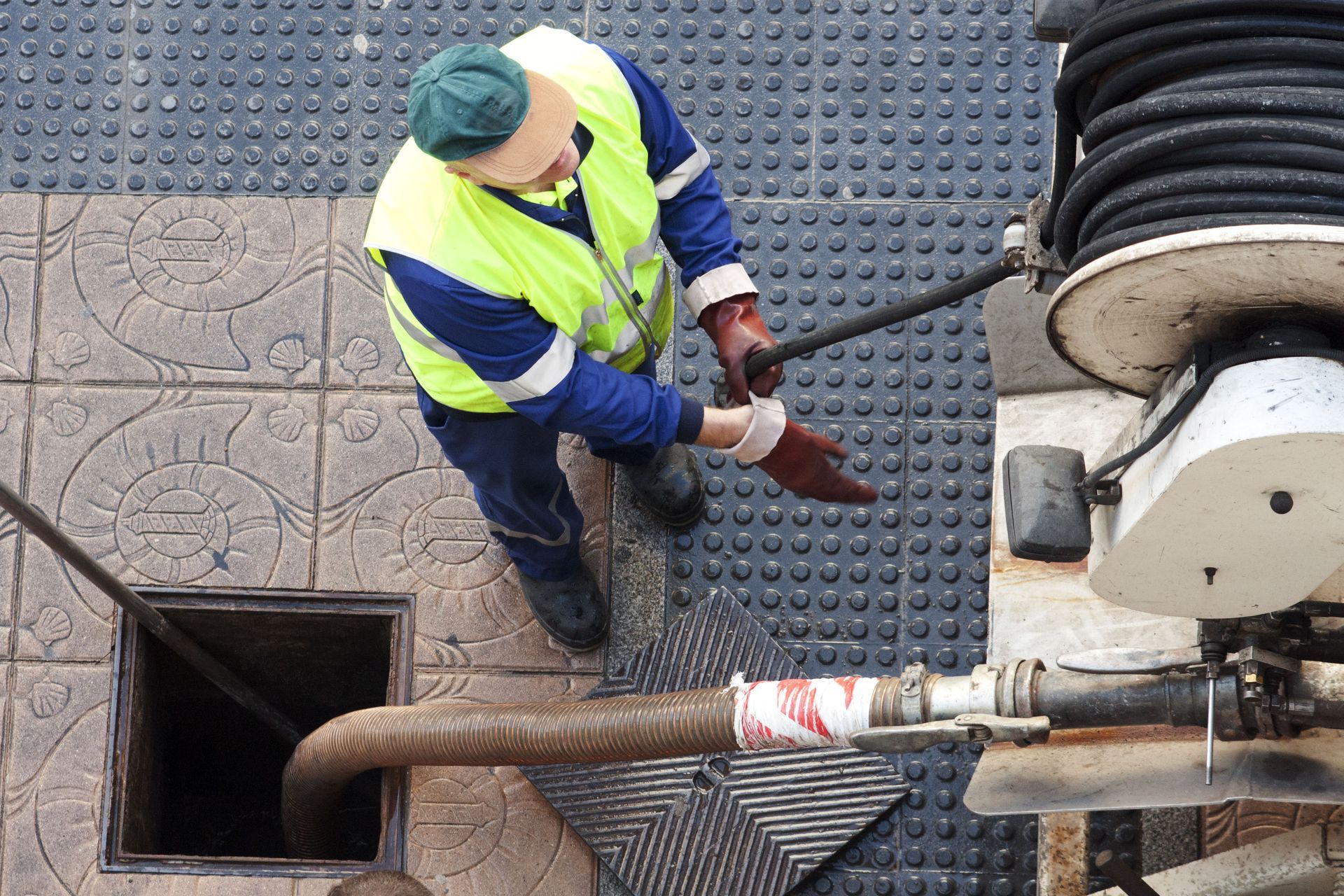
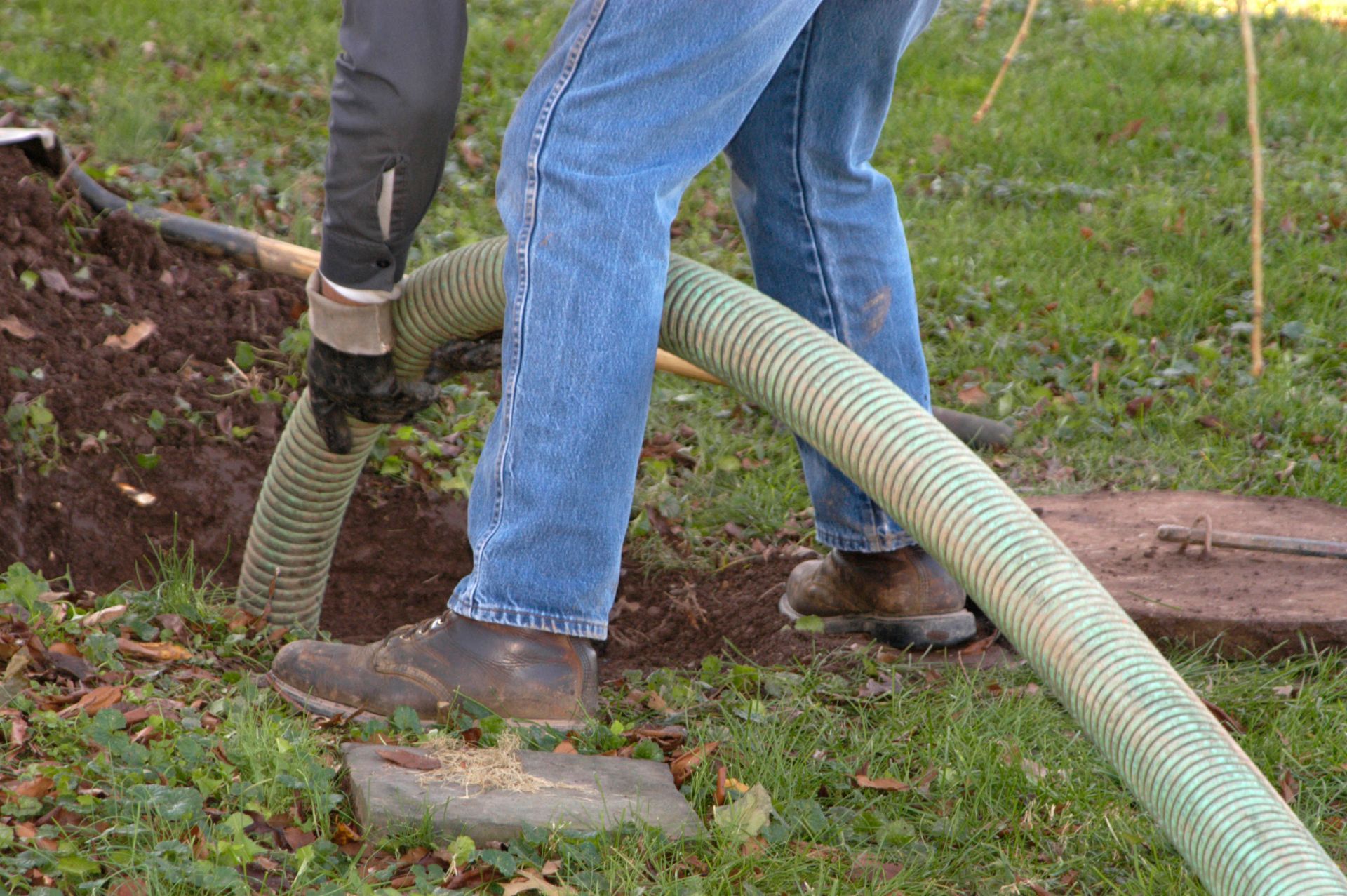
Many property owners schedule septic tank pumping to help prevent clogs, overflows, and damage that may affect both indoor plumbing and outdoor drainage areas. Preventive maintenance also helps extend the lifespan of important septic components while reducing the risk of emergency repairs. Understanding how regular pumping supports system performance can help homeowners avoid major disruptions and maintain healthier living conditions year-round.
Preventing Wastewater Backups Inside The Home
One of the most common problems caused by neglected septic systems is wastewater backing up into sinks, toilets, showers, and drains. As sludge and scum accumulate inside the tank, the system becomes less capable of processing incoming wastewater efficiently. Eventually, waste may begin flowing backward through household plumbing when the tank reaches excessive capacity.
These backups can create unsanitary conditions that expose families to harmful bacteria and unpleasant odors throughout the home. Homeowners often invest in septic tank pumping to remove excess buildup before it interferes with normal wastewater flow. Routine maintenance helps keep plumbing systems operating properly while reducing the likelihood of indoor flooding or sewage-related cleanup. Preventing backups early also helps homeowners avoid costly restoration work that may result from water damage inside living areas.
Reducing The Risk Of Drain Field Failure
The drain field is one of the most important parts of any septic system because it filters and disperses wastewater into the soil. When septic tanks become overloaded with sludge, untreated waste may flow into the drain field and create serious performance problems. Excessive waste buildup can clog the surrounding soil and reduce the system’s ability to absorb water properly over time.
Homeowners may notice soggy ground, standing water, or foul odors developing around the drain field when these issues occur. Regular septic tank pumping helps prevent solid waste from reaching the drain field and causing permanent damage to the system. Protecting the drain field is especially important because repairs or replacements can become extremely expensive and disruptive for property owners. Consistent maintenance supports proper wastewater filtration while helping the entire septic system function more efficiently.
Preventing Expensive Septic System Repairs
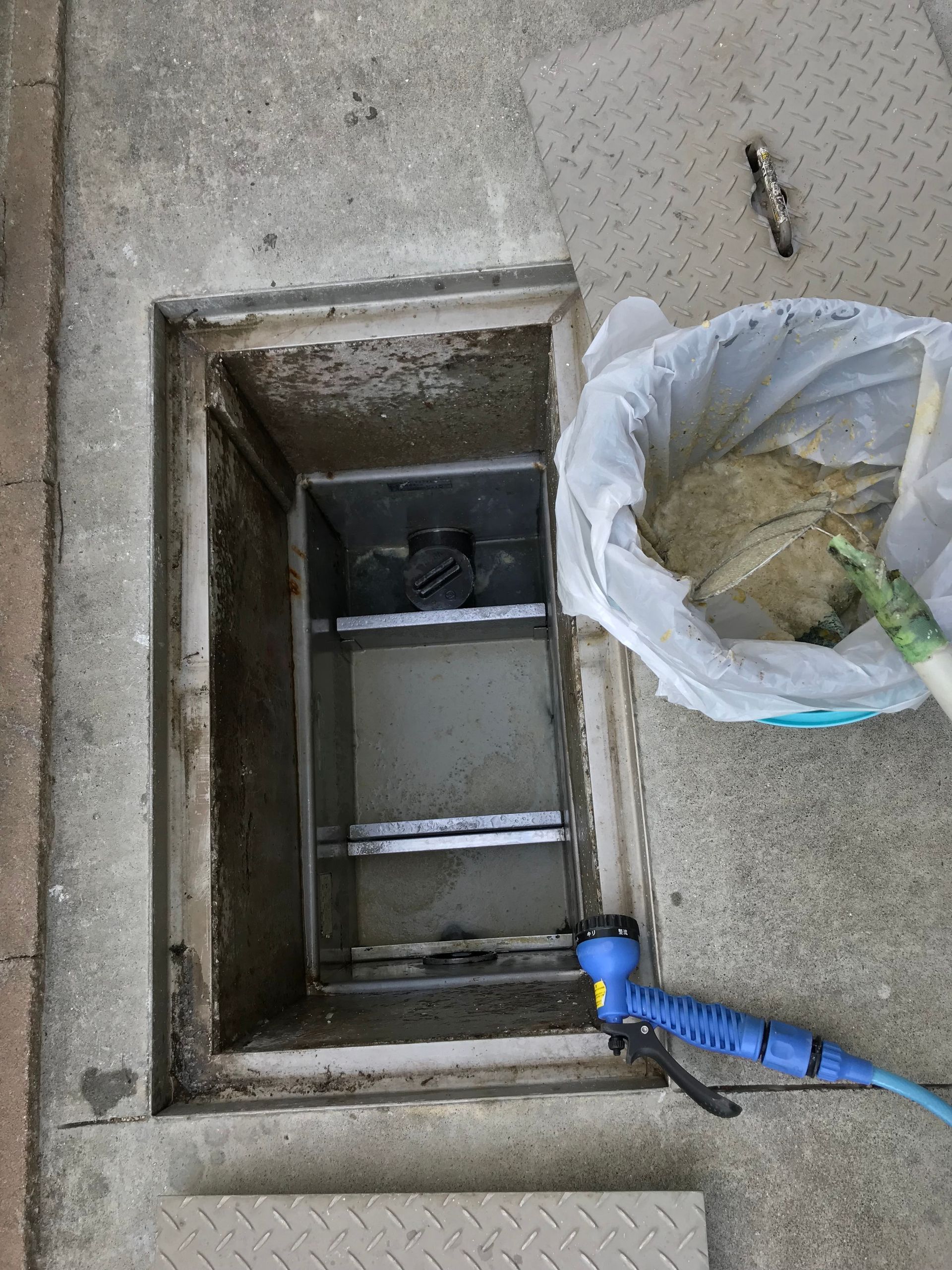
Septic system repairs often become costly when small maintenance issues are ignored for too long. Accumulated sludge may place additional stress on pipes, filters, pumps, and other important system components. Once these parts begin malfunctioning, homeowners may face extensive repair bills along with inconvenient service interruptions. According to the Environmental Protection Agency (EPA), septic tanks should be pumped when the combined levels of scum and sludge reach approximately 25% of the tank’s liquid depth.
Monitoring waste levels helps prevent excessive buildup that could damage critical components throughout the system. Many homeowners rely on septic tank pumping to maintain system performance and reduce the likelihood of major mechanical failures over time. Preventive service appointments are often far more affordable than emergency repairs or complete septic system replacements.
Improving Household Drainage Performance
Slow drains throughout the home may indicate that a septic system is struggling to process wastewater efficiently. Bathtubs, sinks, washing machines, and toilets often drain more slowly when sludge buildup restricts wastewater movement inside the tank. Homeowners sometimes assume these problems are caused only by clogged pipes when the septic system itself may actually require attention.
Professional maintenance removes accumulated waste that may interfere with proper drainage performance across the entire property. Many families schedule septic tank pumping to restore smoother wastewater flow and improve the reliability of household plumbing systems. Consistent maintenance also helps reduce pressure on pipes and fixtures that may otherwise experience repeated drainage problems. Better system performance contributes to a cleaner and more functional home environment for everyone in the household.
Protecting Groundwater And Environmental Health
Neglected septic systems can create environmental concerns that extend beyond the property itself. When wastewater overflows or drain fields fail, untreated sewage may seep into nearby soil and groundwater sources. Contaminated groundwater can affect wells, local waterways, and surrounding ecosystems that depend on clean water conditions. Homeowners who maintain their systems properly help reduce the risk of harmful waste entering the environment unnecessarily.
Routine septic tank pumping supports safer wastewater treatment by removing excess sludge before it creates overflow or filtration problems. Preventive maintenance also helps communities protect local water quality and reduce environmental contamination risks over time. Responsible septic care benefits both individual properties and the surrounding environment by supporting healthier sanitation practices.
Extending The Lifespan Of Septic Components
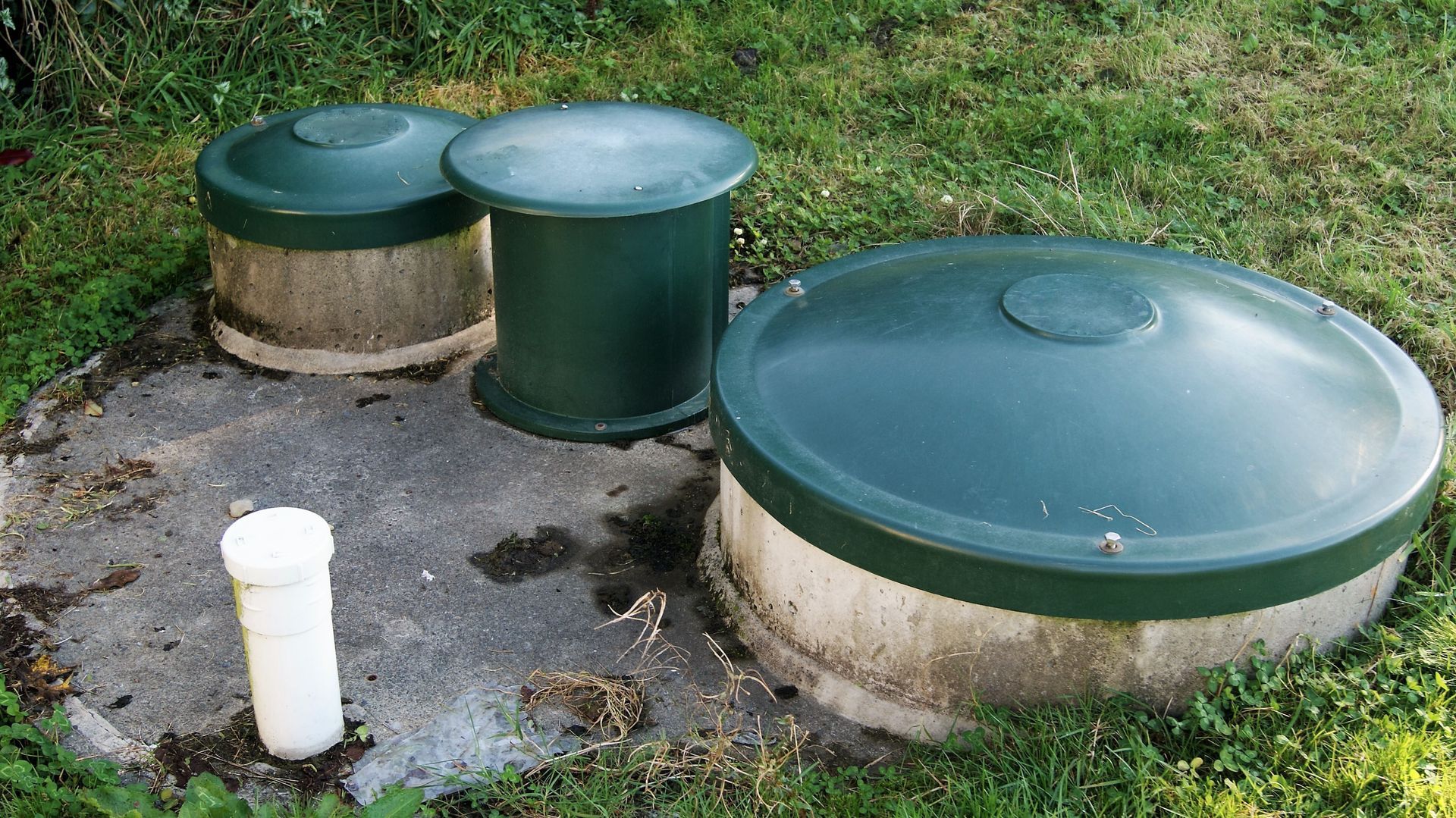
Every septic system contains important components that work together to process and filter wastewater safely. Tanks, pipes, baffles, and drain fields all experience wear over time as waste moves through the system daily. Excess sludge buildup increases strain on these components and may accelerate deterioration if maintenance is neglected.
Professional pumping removes accumulated waste that could otherwise damage system parts or reduce operational efficiency. Many homeowners choose septic tank pumping because it helps protect long-term system performance and reduces unnecessary stress on expensive components. Proper care may also help extend the lifespan of the septic system and delay the need for major upgrades or replacements. Investing in preventive maintenance often saves homeowners money while improving reliability for years to come.
Preventing Odors Around The Property
Strong sewage odors are often one of the earliest warning signs that a septic system requires attention. As waste accumulates beyond normal levels, gases and unpleasant smells may begin escaping through drains, vents, or outdoor areas near the tank and drain field. These odors can make both indoor and outdoor spaces uncomfortable for homeowners and guests alike.
Regular maintenance helps remove the buildup responsible for many of these unpleasant smells before conditions worsen further. Homeowners frequently schedule septic tank pumping to maintain a cleaner and fresher environment throughout the property. Properly functioning systems process waste more efficiently and reduce the likelihood of odors spreading around the home. Addressing odor issues early also helps prevent larger septic problems from developing unnoticed over time.
Supporting Reliable Long-Term System Performance
A septic system operates most effectively when homeowners follow a consistent maintenance schedule designed for the property’s size and usage needs. Daily household activities such as laundry, cooking, bathing, and dishwashing place constant demands on the system throughout the year. Over time, solid waste naturally accumulates inside the tank and requires professional removal to maintain proper performance.
Families who postpone maintenance appointments may increase the risk of backups, drainage issues, and expensive system failures later. Many property owners depend on septic tank pumping to keep their systems operating reliably while avoiding unnecessary interruptions to daily routines. Routine inspections also help professionals identify early warning signs that may require additional attention before severe problems develop. Preventive care provides homeowners with greater confidence that their septic systems will continue functioning safely and efficiently for the long term.
Brooker Septic Service Inc is dedicated to helping homeowners maintain dependable septic systems through professional maintenance and reliable service solutions. Whether you need routine pumping, system inspections, or assistance with septic concerns, our team is ready to help protect your property from costly repairs and unexpected backups. Contact us today to schedule professional septic tank pumping services that support cleaner, safer, and more reliable wastewater management for your home.