December 1, 2025
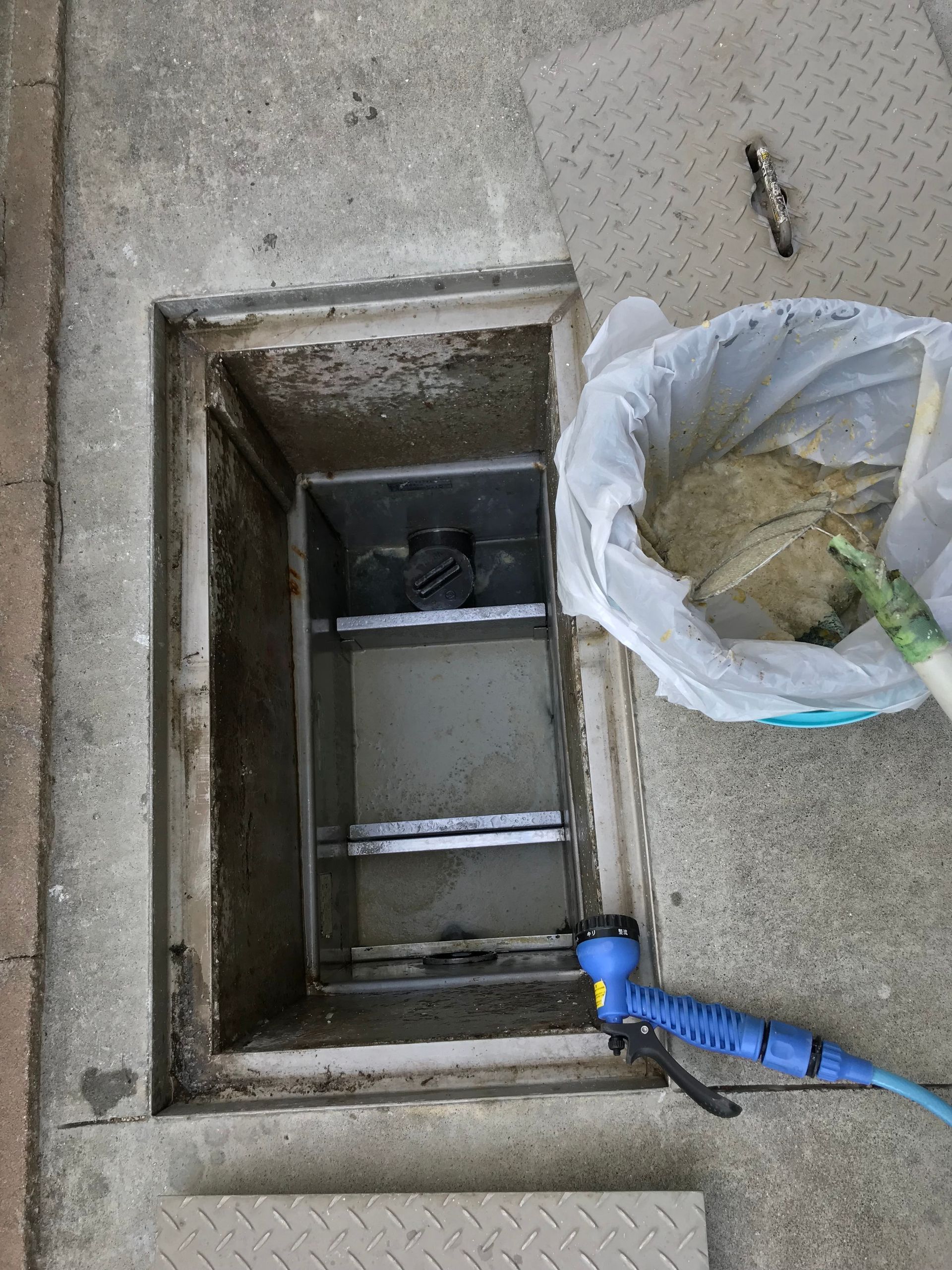
Grease traps, also known as grease interceptors, are crucial components in commercial kitchens. They are designed to capture fat, oils, and grease (FOG) before they enter the municipal sewer system. This prevents blockages and ensures smooth operations in both the kitchen and the wider sewage infrastructure. Regular maintenance and inspection are paramount, not only for compliance with local regulations but also to extend the life of plumbing systems. With about 20% of U.S. homes relying on onsite septic systems rather than municipal sewer systems, according to the Wall Street Journal, the significance of functional grease traps becomes evident. Let's take a moment to outline the signs indicating that a grease trap may need servicing.
1. Slow Drainage
Grease Build-Up Indicators
One of the first indications that a grease trap may need servicing is slow drainage. This problem often arises due to accumulated grease and debris that obstruct normal water flow. As grease builds up, it solidifies and creates blockages within the trap and adjoining pipes. This not only affects the immediate area but can also have upstream and downstream effects. It's important to monitor drainage speed and act swiftly when changes are noticed.
Kitchen Operation Impact
Slow drainage can severely impact kitchen productivity and safety. When sinks and drains fail to empty quickly, it can lead to backups, creating unsanitary and hazardous conditions. Staff may need to slow down or stop operations, leading to delays and reduced service quality. Additionally, standing water can become a breeding ground for bacteria and pests. Ensuring efficient drainage is essential for maintaining high standards of kitchen hygiene and efficiency.
Checking Drain Flow
Regularly checking the flow of drains is a practical approach to detecting potential issues early. Simple methods, such as observing how water exits sinks or employing a professional drain camera, can be effective. During peak hours, any noticeable lag or gurgling sounds may indicate trouble. By monitoring water flow regularly, you can prevent major blockages before they occur. Once identified, seeking a professional septic service can effectively clear out obstructions and restore normal operation.
2. Unpleasant Odors
Causes of Foul Smells
Unpleasant odors often emanate from grease traps when decomposing food and grease have been left unaddressed. As these substances break down, they release gases that can lead to foul smells permeating the kitchen environment. Such smells not only create a discomforting atmosphere but also serve as indicators of deeper issues within the trap. Trapped sediments over time contribute to the buildup of bacteria, exacerbating the odor problem. Addressing these smells promptly is essential to maintaining kitchen hygiene.
Health Implications
Persistent unpleasant odors can have significant health implications. Exposure to these odors may result in respiratory issues or allergic reactions for both staff and customers. Moreover, they signal a potential breeding ground for harmful bacteria and pests, increasing health risks. Therefore, it's vital to address odor issues swiftly to uphold health and safety standards in the kitchen.
Professional Odor Elimination
When odors become overwhelming, a professional septic service can provide a thorough solution. Experts are equipped to clean and sanitize grease traps and related plumbing systems comprehensively. They possess the tools and knowledge to address even the most stubborn odor issues, ensuring complete elimination. Regular servicing not only solves immediate problems but also prevents future occurrences. Professional intervention is often the most effective approach for long-term odor control.
3. Frequent Backups
Identifying Backflow Signs
Frequent backups indicate that a grease trap may be full or malfunctioning. Signs of backflow issues often include water returning into sinks and slow drainage in multiple areas. Gurgling sounds and unpleasant odors may accompany these symptoms, signifying problematic sewer line activity. Detecting backflow early helps prevent more severe plumbing problems from developing. Regular inspections are an indispensable part of effective trap management.
Causes of Backups
Backups occur due to several reasons, such as an overloaded grease trap or foreign materials obstructing water flow. Traps need periodic cleaning to ensure fat and debris don't accumulate excessively. Furthermore, improper disposal of substances like coffee grounds and fibrous foods exacerbates drainage problems. Left unresolved, these issues can lead to operational shutdowns and environmental breaches. Addressing root causes is imperative for maintaining seamless kitchen functionality.
4. High Water Levels
Water Level Significance
High water levels in grease traps serve as a red flag, indicating possible trouble. When water levels rise significantly, it suggests that the trap is nearing or has reached its capacity. This often results from accumulated waste impeding water drainage and signaling a need for servicing. Neglecting this sign can lead to overflow and backflow issues in kitchen plumbing. Maintaining proper water levels is essential for optimal grease trap functionality.
Measurements and Monitoring
Monitoring grease trap water levels is a critical component of effective maintenance. Regular measurement can be conducted using simple dipstick tests or more advanced digital monitoring systems. Consistent monitoring helps track changes over time, signaling when servicing is due. This preemptive approach allows for timely intervention, avoiding emergency situations. An informed understanding of water levels facilitates better decision-making for grease trap management.
Immediate High Water Level Fixes
When confronted with high water levels, swift action is vital. Begin by inspecting the trap for visible blockages and manually cleaning if feasible. Temporary solutions may involve increasing cleaning frequency and using manual drainage tools. However, professional involvement ensures comprehensive clearance and functionality restoration. Prompt management of water levels protects against more severe overflow and system failures.
5. Overflowing Grease Trap
Recognizing Overflow Signs
An overflowing grease trap is a clear sign that immediate attention is needed. Overflow occurs when the trap is filled beyond capacity, causing grease and debris to spill over. Warning signs include visible grease accumulation outside the trap and excessive water around it. Overflow not only disrupts kitchen operations but also creates environmental hazards. Timely intervention is crucial to prevent further damage.
Environmental Impacts
Overflowing grease traps can have severe environmental impacts. Grease entering the municipal sewer system can lead to blockages, causing wastewater backups and pollution. This can affect local ecosystems and contribute to larger infrastructure problems. Compliance with environmental regulations is not only a legal requirement but also a responsibility towards the community. Maintaining functioning grease traps is fundamental to minimizing environmental harm.
Risks of Overflow
The risks associated with overflowing grease traps are both immediate and long-term. In the short term, they can cause health hazards due to unsanitary conditions and pest attraction. Prolonged overflow increases the risk of structural plumbing damage and substantial repair costs. Effective management and maintenance are essential to mitigate the risks of overflow successfully.
Emergency Steps
In an overflow scenario, emergency steps should be taken to mitigate damage. Firstly, cease operations immediately to prevent worsening the situation. Use absorbent materials and barriers to contain the spill and prevent it from spreading further. Contacting a professional septic service provider ensures a swift and thorough resolution to the overflow. Prioritizing safety and health standards must remain the focus throughout emergency management.
Recognizing the signs of a grease trap in need of septic service is crucial for maintaining kitchen efficiency and safety. Indicators such as slow drainage, unpleasant odors, and frequent backups highlight underlying issues with grease management. By addressing these problems promptly and seeking help from a septic service like Brooker Septic Service Inc, you can ensure safety compliance with environmental and health standards. If you notice these issues, reach out to us today and get started with a free same-day estimate.