January 29, 2026
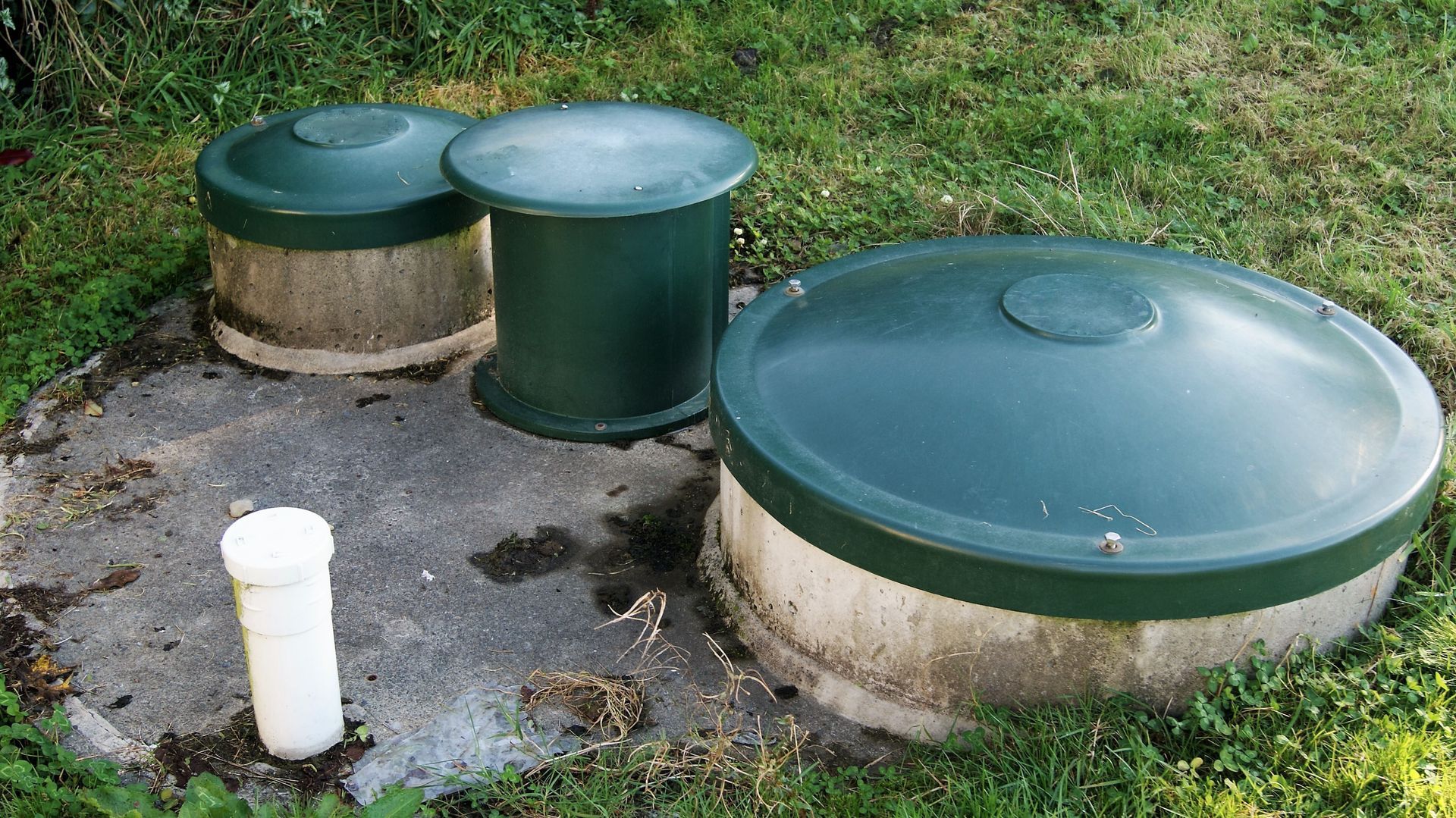
The maintenance of a septic tank is an essential responsibility for homeowners who want to protect their property, groundwater quality, and household comfort. A properly cared-for system reduces emergency situations, prevents contamination, and avoids unexpected repair bills that can escalate quickly. Relying on a dependable septic tank service plays a major role in keeping every component operating efficiently year after year. In the sections below, you’ll find practical, homeowner-friendly strategies that focus on prevention, performance, and long-term durability so your system continues working the way it should.
1. Schedule Regular Inspections And Pumping
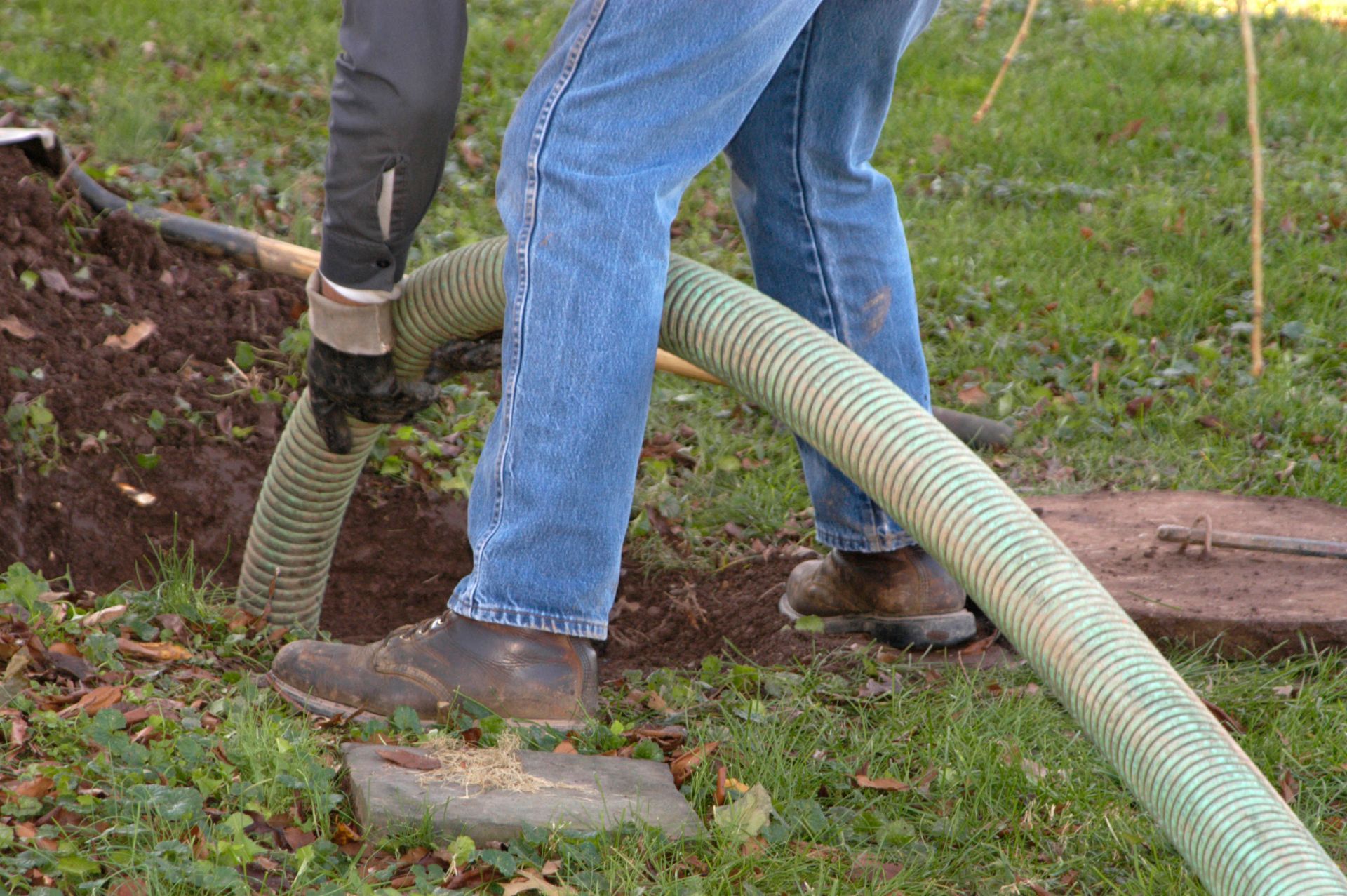
Routine inspections and pumping form the foundation of long-lasting septic performance. Most professionals recommend inspections every three to five years, although larger households or heavy water use may require more frequent attention. During these visits, technicians look for cracks, corrosion, leaking baffles, and excessive sludge levels that could threaten the tank’s structure or flow patterns. A professional septic tank service also keeps detailed records, making it easier to plan future maintenance and recognize subtle changes before they escalate into major problems.
Homeowners can support these efforts by watching for early warning signs between appointments. Slow drains, gurgling pipes, sewage odors, or bright green grass above the drainfield often signal developing issues below the surface. While these symptoms don’t always indicate immediate failure, they are strong clues that an inspection is overdue. According to This Old House, more than 25% of Americans rely on septic tanks for waste management, especially in rural areas, which makes proactive monitoring especially important where soil conditions and installation methods vary widely. Pumping is just as critical as inspections. Over time, solids settle into sludge while lighter materials float as scum, and both layers must be removed periodically to keep wastewater flowing properly into the drainfield. Consistent scheduling protects bacterial balance inside the tank and significantly lowers the chance of disruptive, expensive overflows.
2. Practice Mindful Water Usage
Water conservation isn’t only environmentally responsible—it’s vital for septic health. Excessive water entering the system too quickly can overwhelm the tank and flood the drainfield before wastewater has time to separate and treat properly. Installing low-flow toilets, efficient showerheads, and high-efficiency washing machines reduces daily strain on the system and improves processing capacity. Many professionals note that pairing conservation habits with routine septic tank service creates one of the most effective combinations for long-term reliability.
Spacing out water-heavy activities is another powerful habit. Running the dishwasher, washing machine, and several showers at once pushes large volumes of water into the tank in a short period of time. By staggering these tasks, homeowners maintain steadier flow rates that the system can handle more comfortably. This approach minimizes the chance of backups and helps protect the drainfield from saturation. Outdoor drainage also matters. Redirecting roof gutters and surface runoff away from the tank and absorption area keeps excess water from pooling in critical zones. Standing water near the drainfield can signal that the soil is struggling to absorb treated wastewater efficiently. Teaching everyone in the household to use water thoughtfully supports smoother operation and extends the system’s useful life.
3. Follow Smart Waste Management Practices
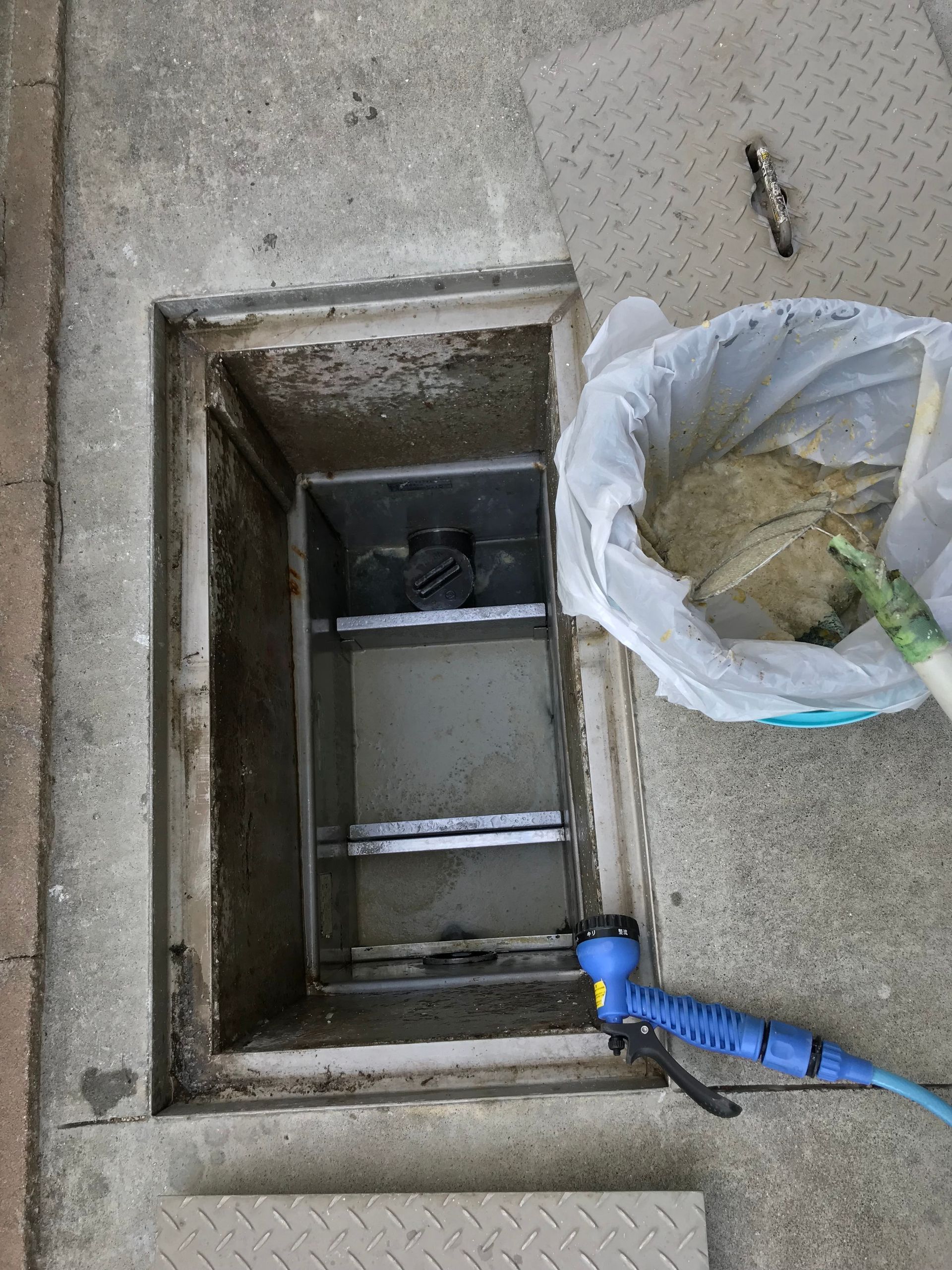
What goes down the drain directly affects how well a septic system performs. Only human waste and septic-safe toilet paper should be flushed, while wipes, paper towels, feminine products, and cat litter belong in the trash. Pouring fats, oils, and grease down sinks is another common mistake, as these substances harden inside pipes and tanks, restricting flow and encouraging clogs. Working with a knowledgeable septic tank service reinforces these habits and helps identify buildup before it causes serious trouble.
Household chemicals deserve equal caution. Paint thinners, solvents, pesticides, and harsh cleaners can disrupt the bacteria responsible for breaking down waste. Whenever possible, opt for biodegradable or septic-friendly cleaning products that won’t upset the delicate microbial ecosystem inside the tank. Some homeowners consider bacterial additives to boost performance, but these should be used carefully and only when recommended by professionals. Overuse can interfere with natural processes rather than improve them. The most reliable way to maintain healthy bacterial populations remains consistent pumping, sensible product choices, and everyday awareness about what enters the plumbing system.
4. Protect The System With Thoughtful Landscaping
Landscaping decisions play a surprisingly large role in septic longevity. Shallow-rooted grasses and small decorative plants are usually safe choices around tanks and drainfields because they help prevent erosion without threatening underground components. Trees and large shrubs, on the other hand, send roots searching for moisture that can crack pipes and invade joints. Many technicians performing septic tank service regularly encounter root intrusion as a leading cause of structural damage.
Maintaining clear boundaries around septic components is essential. Avoid planting vegetation directly over inspection ports or absorption areas, and keep heavy equipment well away from these zones. Compacted soil from vehicles or construction projects reduces aeration and interferes with wastewater treatment in the drainfield. Hardscaping deserves similar care. Driveways, patios, and sheds should never be installed over septic infrastructure, as their weight can crush pipes or restrict soil function. Smart design choices safeguard the system while keeping the yard attractive and functional.
5. Address Repairs Promptly When Problems Appear
Small septic issues rarely resolve on their own, and delaying repairs often turns manageable concerns into expensive emergencies. Gurgling drains, slow fixtures, sewage smells, or wet patches in the yard usually indicate that something is wrong underground. Calling for professional evaluation at the first sign of trouble allows technicians to pinpoint causes before widespread damage occurs. Timely intervention from a qualified septic tank service can mean the difference between a simple repair and a complete system overhaul.
Common fixes include repairing cracked pipes, sealing leaks, replacing damaged baffles, or restoring compromised drainfield sections. Although some homeowners attempt DIY solutions, septic systems involve health risks and regulatory considerations that make professional handling the safest route. Experienced technicians ensure repairs meet local codes while protecting surrounding soil and groundwater from contamination.
6. Support Healthy Bacterial Activity Inside The Tank
Beneficial bacteria drive the breakdown of solids and keep wastewater moving smoothly through the system. Maintaining these microorganisms starts with limiting exposure to products that kill them, including bleach-heavy cleaners and antibacterial soaps used excessively. Balanced pH levels and moderate chemical use create a stable environment where microbes can thrive naturally. Pairing these habits with routine
septic tank service
gives professionals the opportunity to monitor biological health and recommend adjustments when necessary. Signs of trouble include foul smells, slow drains, or unexpected solids entering the drainfield, all of which may point to reduced microbial activity. Long-term maintenance plans that include inspections, pumping schedules, and careful additive use create a sustainable system that operates efficiently year after year.
Extending the lifespan of a septic tank requires a coordinated approach built on regular inspections, responsible water use, smart waste disposal, protective landscaping, quick repairs, and healthy bacterial ecosystems. These habits work together to prevent breakdowns, protect surrounding land, and keep households functioning without interruption. At Brooker Septic Service Inc, we’ve been helping property owners protect their systems since 1957, and we proudly offer free estimates along with 24-hour emergency response whenever you need us. Whether you’re planning routine maintenance or facing an urgent situation, our team is ready to deliver dependable septic tank service backed by decades of hands-on experience. Contact us today and let us keep your system operating safely, efficiently, and worry-free for years to come.