Drains Slowing Down Across the House? Signs Your Tank Is Full
October 31, 2026
QUICK ANSWER: A septic tank that is full usually shows it through the whole house at once rather than through a single fixture. Sinks, tubs, and showers drain slowly together, toilets flush weakly and gurgle, and the pipes make sounds they did not make before. Outside, you may notice a sour odor near the tank, or grass over the tank and drain field that looks greener and wetter than the rest of the lawn. A single slow drain is more often a local clog, but slowness that spreads across several fixtures points to a tank that has run out of working space or a system downstream that cannot take more water. The right response is to stop heavy water use and have the tank measured and pumped before wastewater backs up into the home.
Most people picture a full septic tank as a dramatic event, a toilet that overflows or a yard that floods. In practice, the story almost always begins quietly. The shower takes a little longer to empty. The kitchen sink holds a bit of water after the dishes are done. A toilet makes a low gulping sound a minute after you flush it, and you decide it is probably nothing and move on with your day.
That quiet start is exactly why it is worth knowing what a full tank looks like while it is still easy to fix. A septic tank is a holding and settling chamber, and it only works while there is enough open space inside for wastewater to rest and separate. When that space shrinks, the whole house feels it. Here is how to read the signs, how to tell a full tank from an ordinary clog, and what a Central Florida household should do the moment those signs add up.
What a Full Tank Actually Means
Everything that leaves your house through the drains flows into the tank, where it sits long enough for the system to sort it. Heavy solids sink and form a layer of sludge on the bottom. Fats, oils, and light material rise and form a layer of scum on top. The middle band of mostly clear liquid is what flows onward to the drain field, and that middle band is the part that matters most.
A tank is never truly empty between pumpings, because bacteria only break down part of what settles. Sludge and scum build up slowly year after year. When people say a tank is full, they usually do not mean the liquid has reached the top of the lid. They mean the sludge and scum layers have grown thick enough that the clear zone in the middle has become too small to do its job. Wastewater then rushes through without settling, carries solids toward the outlet, and has nowhere comfortable to go when the household sends in more.
In Florida, this has a particular edge. Central Florida's sandy soil drains fast, but the water table sits close to the surface, and heavy summer rains can leave the ground around a system saturated for days. A tank that is already low on working space has very little margin to absorb a wet week on top of normal household use.
Slow Drains Across the Whole House
The clearest signal is where the slowness shows up. A clog in a bathroom sink trap affects that sink. A clog in a branch line affects the fixtures that share it. But when the shower, the kitchen sink, the washing machine drain, and the toilets all slow down in the same stretch of days, the cause is rarely in the individual pipes. Everything shares one destination, and the destination is not accepting water the way it used to.
Pay attention to timing as well. A tank with little working space tends to feel worse on heavy water days. If drains seem fine on a quiet weekday morning but crawl after two laundry loads and a dishwasher cycle, the system is telling you it is near its limit. Drains that stay sluggish even after a full day of light use are a stronger sign that the tank, the pipe to the drain field, or the field itself has a problem that rest alone will not cure.
One test that homeowners often find helpful is to run a small amount of water in the lowest fixture in the house, usually a tub or a basement or ground floor shower, and watch whether it drains normally. The lowest fixture is the first to complain when a system starts backing up, since the water level has to rise only a little in the line before it reaches that drain.
Gurgling, Gulping, and Weak Flushes
Gurgling is easy to dismiss because everyone has heard a pipe make a noise. The difference with a full tank is that the sound repeats and spreads. You flush a toilet and hear air bubbling up through the shower drain. You run the washing machine and the toilet burps. These sounds happen because air that used to move freely through the pipes now has to push past rising water, and it finds the nearest opening.
Toilets add their own clues. A flush that starts strong and then seems to stall, a bowl that takes longer than usual to refill, or a toilet that needs a second flush to clear are all signs that the line leaving the house has less room to accept water. None of them prove that the tank is full on their own, but several of them together, especially alongside slow drains elsewhere, form a pattern that deserves a professional look rather than another round of plunging.
TIP: Keep a simple note on your phone of the date and what you noticed, such as which fixtures were slow and whether it followed heavy water use. When a technician arrives, that short history helps separate a tank that is filling up from a one time clog, and it makes the visit faster and more accurate.
What You May Notice Outside
The yard often confirms what the plumbing is hinting at. Because a septic system is buried, the ground above it is the only window you have into what is happening below.
A sour or sulfur smell near the tank lid or the drain field is common when a tank is overfull, since gases that normally travel up the roof vent are instead escaping where wastewater is crowding the system. Grass that is noticeably thicker, greener, or faster growing over the tank or drain field than elsewhere can mean extra moisture and nutrients are reaching the surface layer. Soft, spongy ground, or damp patches that do not dry out between rains, suggest that liquid is no longer moving through the soil as it should.
In sandy Florida soil, these signs can be easy to miss because the ground often looks dry on the surface even when the soil beneath is overloaded. If you spot any of them after weeks of drains behaving strangely, treat the two clues as one story rather than two unrelated oddities.
Is It the Tank, or Just a Clog?
Not every slow drain means a full tank, and it helps to know the difference so you do not call for service when a quick fix would do, or put off service when a quick fix will not.
A local clog usually affects one fixture or one branch of the plumbing. The rest of the house drains normally, toilets flush at full strength, and there is nothing unusual in the yard. A hair clog in a shower, grease in a kitchen line, or a toy in a toilet are classic examples, and they respond to a plunger or snake without any change elsewhere in the house.
A full tank, on the other hand, shows these patterns together: several fixtures slow at once, gurgling appears in more than one place, the problem gets worse after heavy water use, and the yard sometimes shows matching signs. If you clear one drain and the slowness simply moves to another, or returns within a day or two, the blockage is probably not in the pipes you can reach.
It is also worth remembering that a full tank is not the only possible cause of whole house slowness. A blocked or damaged pipe between the house and the tank, a clogged effluent filter, a failing pump on a system that relies on one, or a drain field that has stopped absorbing water can all produce nearly identical symptoms. That is the main reason a measured inspection beats guessing. The technician reads the sludge and scum depth, checks the outlet and baffles, and looks at what is happening on the drain field side before deciding what is actually wrong.
What to Do the Moment the Signs Add Up
Once the pattern looks like a full tank, the best move is to reduce the load while you arrange service. Water that goes into a system with no working space has only one place to go, and that is back toward the house or up into the yard.
Spread laundry across several days instead of running everything in one afternoon. Keep showers short, and skip long baths. Run the dishwasher only when it is full, or hand wash for a few days. Avoid using the garbage disposal, since ground food adds solids to a tank that is already crowded. Hold off on anything that dumps a large volume of water at once, such as draining a hot tub or a kiddie pool into the household plumbing.
Resist the urge to reach for chemical drain openers or septic additives as a rescue. Harsh chemicals do nothing for a tank that is simply out of room, and they can disturb the bacteria that keep digestion going. Likewise, a pour of something from the hardware store aisle will not shrink a layer of sludge that took years to build.
WARNING: If wastewater is backing up into a tub, shower, or toilet, or you see liquid pooling over the tank or drain field, stop using water in the house and call for service right away. Untreated wastewater carries bacteria and should be kept away from children and pets, and anyone cleaning up after a backup should wear gloves and wash thoroughly afterward.
Why Waiting Makes It Worse
It is tempting to wait out a slow drain, especially when the house still technically works. The trouble is that a tank with too little working space does damage downstream while you wait. Wastewater that has not had time to settle carries fine solids into the outlet and out to the drain field. Those solids coat the soil in the trenches, reducing how much liquid the soil can absorb, and that coating does not wash out on its own.
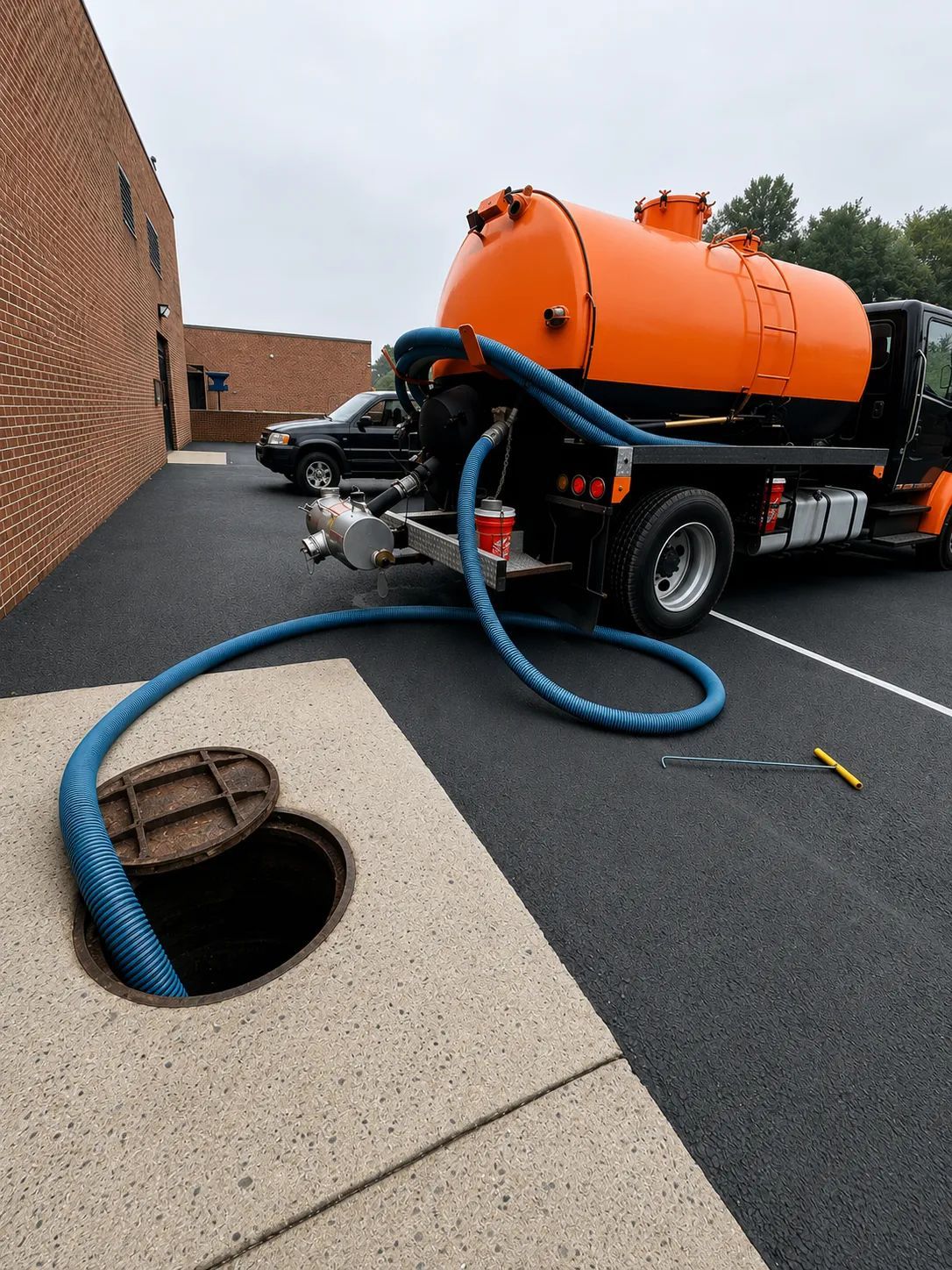
What starts as a routine pumping visit can become a much larger repair when the drain field is affected, because a field that has been fed solids for months loses capacity that cannot simply be pumped back. Catching a full tank while the damage is still limited to the tank is one of the clearest wins in septic care. The visit itself is simple: the tank is drawn down completely, both chambers are emptied, the baffles and outlet are checked, and the technician tells you what the layers looked like and how long the tank took to fill.
Keeping the Tank From Filling Up Early Again
After a pumping, the real value comes from understanding why the tank filled when it did. A household that has added people, installed a disposal, or started running far more laundry will fill a tank faster than the same household years ago. A leaking toilet or a dripping fixture can quietly send hundreds of gallons a day into a system that was never meant to carry them, and a tank that seems to fill too quickly is sometimes a plumbing leak in disguise.
Ask for the depth of sludge and scum to be noted at each visit so you can see your own rate of buildup. Keep trash out of the system, including wipes marketed as flushable, grease, coffee grounds, and cat litter. Space out water heavy tasks, and fix leaking fixtures promptly. After heavy rain, give the system a little extra breathing room by cutting back on laundry for a day or two, since a saturated drain field has less capacity until the ground dries.
Frequently Asked Questions
How can I tell the difference between a full septic tank and a clogged drain?
A clog usually affects one fixture or branch while the rest of the house drains normally. A full tank slows several fixtures at once, causes gurgling in more than one place, and may show up in the yard as odor or unusually green, wet grass.
Can a septic tank back up into the house even if it was pumped recently?
Yes, though it points to a different cause. A blocked line, clogged effluent filter, failing pump, or drain field that cannot absorb water can all cause a backup, so a proper inspection matters.
Will septic additives fix a full tank?
No. Additives do not remove built up sludge and scum, and a tank out of working space needs to be pumped. Some products can also upset the bacteria that help digest waste.
How fast can a tank go from slow drains to a backup?
It varies with the household and the weather. A tank with very little working space can back up within days during a heavy water week, so whole house slowness is worth acting on soon
Early Septic Care Keeps Small Signs From Growing
A septic system works best when you never think about it, which is why the early signs are so easy to wave off. Slow drains in more than one room, a toilet that gurgles, a lawn patch that stays wet and a little too green, and a faint sour smell on a still afternoon are each small. Together they are the tank asking for room. Acting on them early keeps a routine pumping from turning into a repair and gives you a clearer picture of how your household works.
With 70
years of experience serving Lake Wales, FL, Brooker Septic Service
knows how sandy soil, a high water table, and heavy summer rain test a system that is already short on working space. Measuring the layers, emptying the tank fully, and checking the outlet tells a homeowner what is actually happening below the lawn. Households that pay attention early tend to avoid the larger drain field repairs that come from waiting, and they enjoy quiet plumbing for many seasons.